Mustica Script: The Modern Calligraphy Font for Timeless Designs
There’s a moment in every design project where the typography either clicks or it doesn’t. You’re working on a logo, a wedding invitation, or a social media post, and you need a font that feels personal, elegant, and current. You’ve tried the standard script fonts—they’re either too formal, too casual, or just feel dated. This is where a typeface like Mustica Script enters the conversation. It’s not just another script font; it’s a carefully crafted blend of classic calligraphic flow and modern sensibility, designed to bridge the gap between tradition and contemporary aesthetics.
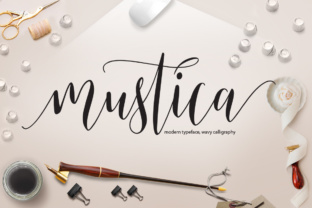
At its core, Mustica Script is a premium font that captures the fluidity of hand-lettered calligraphy. The strokes have a natural, human quality, with varying thicknesses that mimic the pressure of a brush or pen. What sets it apart is its balanced structure. Unlike some overly ornate scripts that sacrifice readability for flair, Mustica maintains a clean and open letterforms. The connections between letters are intuitive, avoiding the cramped, tangled look that can make some script fonts difficult to decipher at smaller sizes. It carries a personality that’s both sophisticated and approachable—think of it as the font equivalent of a well-tailored outfit that feels effortlessly stylish.
Where Mustica Script Truly Shines
The real value of a creative font like this lies in its versatility. It’s not a one-trick pony reserved for formal invitations. Because it balances modern and classic elements, Mustica Script adapts to a wide range of applications. For logo design, it injects immediate personality and warmth. A bakery, a boutique consultancy, or a lifestyle brand can use it to convey craftsmanship and attention to detail without feeling stuffy. In editorial design, it works beautifully for pull quotes, chapter headings, or magazine titles, adding a touch of elegance that draws the reader’s eye.
For packaging design, especially in cosmetics, artisanal foods, or craft beverages, Mustica Script can elevate the perceived value of the product. It suggests care and quality, which is crucial for standing out on a crowded shelf. In the digital realm, it’s a strong contender for web design headers, hero text, or promotional banners where you need to make an immediate emotional impact. Social media graphics also benefit immensely—think Instagram quotes, Pinterest pins, or Facebook ad headlines that need to stop a scrolling thumb. It’s equally at home on personal projects like custom stationery, monograms, or craft labels, giving hobbyists a professional-grade tool.
The Impact on Your Brand and Audience
Choosing a typeface is a strategic decision, not just an aesthetic one. The font you select for your brand identity directly influences how your audience perceives you. Mustica Script, as a display font, can significantly shape brand perception. Its blend of modern and classic traits can position a brand as both innovative and trustworthy. It avoids the coldness of some geometric sans-serifs and the excessive formality of traditional serifs, landing in a sweet spot that feels human and relatable.
This has practical implications for engagement. A well-chosen script font can increase the emotional resonance of your message. When used correctly, it enhances visual hierarchy, guiding the viewer’s eye to the most important information first. It can improve recognition—people remember distinctive lettering. However, this power comes with responsibility. Overusing any script font, including Mustica, can harm readability, especially in body text. Its strength is in headlines, logos, and short, impactful phrases. For longer paragraphs, pairing it with a clean sans serif font or a simple serif font is essential to maintain clarity and professionalism.
Practical Guidance for Using Mustica Script
So, how do you integrate this typeface effectively into your workflow? Start by evaluating the project’s tone and audience. Mustica Script is perfect for projects aiming for elegance, creativity, and a personal touch. It might not be the best fit for a corporate law firm’s annual report, but it’s ideal for a wedding planner’s brochure or a coffee shop’s menu. Always test it in context. Mock up your design to see how it interacts with other elements—images, colors, and surrounding text.
Next, master the art of font pairing. Because Mustica Script has a strong personality, it pairs best with simpler, more neutral companions. A geometric sans serif like Montserrat or a clean serif like Lora can provide a beautiful contrast, allowing the script to shine without overwhelming the design. Avoid pairing it with other highly decorative fonts, as this creates visual clutter.
Review the font’s included styles and alternates. A quality premium font like Mustica often comes with stylistic alternates, swashes, or ligatures. These extras allow you to customize the lettering further, adding unique flourishes for special letters or creating a more bespoke look. Finally, consider the licensing. If you’re using it for commercial projects—client work, products for sale, or monetized content—ensure you have the correct commercial font license. This protects you legally and supports the designers who create these valuable design assets.
In the end, typography is about communication. Mustica Script offers a powerful way to communicate with warmth, style, and a touch of artistry. By understanding its strengths and applying it thoughtfully, you can create designs that don’t just look good but feel right, connecting with your audience on a more human level. It’s a tool that, when used with intention, can elevate your work from ordinary to memorable.