Berdinga Script: Beyond the Wedding Invitation
If you have spent any time scrolling through creative marketplaces or browsing design assets, you have likely noticed a trend: script fonts are everywhere. But not all scripts are created equal. We often see typefaces that look beautiful in a large preview but fall apart when used in real-world applications, or they are so stylistic that they become illegible. As someone who has spent years navigating the nuances of modern typography, I look for typefaces that bridge the gap between raw artistic expression and functional usability. Berdinga Script is a prime example of this balance.
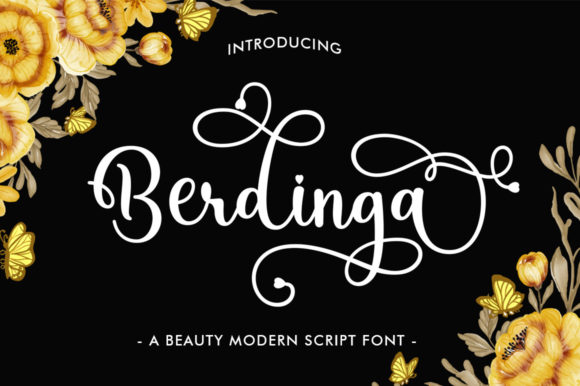
At first glance, Berdinga Script presents itself as a classic handwritten font. It carries the fluid, natural motion of a hand moving quickly across paper, capturing a sense of authenticity that digital vectors often struggle to replicate. However, what sets this typeface apart is its structural integrity. Many script fonts suffer from inconsistent baselines or erratic kerning, but Berdinga maintains a rhythmic consistency. It is an elegant and stylish choice, carefully handcrafted to feel organic without looking messy. It strikes a specific tone—inviting, personal, and sophisticated—making it a versatile tool in your creative arsenal.
The Anatomy of a Versatile Creative Font
When evaluating a premium font, the devil is in the details. Berdinga Script is characterized by its smooth curves and confident strokes. It avoids the trap of being overly "bouncy" or cartoonish, which limits a font to specific use cases. Instead, it leans into a modern calligraphy style that feels fresh and relevant. This makes it an excellent candidate for projects that require a human touch but still demand a level of professionalism.
One of the most significant technical advantages of Berdinga Script is its PUA (Private Use Areas) encoding. For those unfamiliar with the technical side of fonts, this is a crucial feature for a creative font. It essentially means that all the decorative elements—swashes, ligatures, and alternative characters—are accessible regardless of the software you are using. Whether you are working in Adobe Illustrator, Photoshop, or even simpler platforms like Canva or Cricut Design Space, you have full access to the font’s capabilities. This accessibility makes it a powerful tool for everyone from professional graphic designers to hobbyists and crafters.
Where Berdinga Script Truly Shines
The versatility of Berdinga Script allows it to adapt to a wide range of mediums. It is not just a display font for headers; it is a storytelling tool. Here is how it performs across different domains:
- Logo Design and Brand Identity: A logo sets the first impression. Using Berdinga Script can instantly inject personality and warmth into a brand identity. It works particularly well for lifestyle brands, boutique shops, beauty products, and artisanal goods. It suggests that there is a human behind the brand, which builds trust.
- Packaging Design: On physical products, texture matters. This font mimics the look of hand-lettering often found on high-end packaging. It draws the eye and communicates quality, making it ideal for labels, jars, and boxes.
- Editorial and Web Design: While you wouldn't use a script font for body text, Berdinga Script is excellent for pull quotes, sub-headers, or feature titles in editorial design. In web design, it can break up the monotony of standard sans-serif text, guiding the visitor's eye to key information.
- Invitations and Stationery: This is the natural habitat of a script font. From wedding invitations to event flyers, the font adds a layer of elegance and formality that standard fonts cannot match.
- Digital Content and Social Media: In the fast-paced world of social media graphics, stopping the scroll is essential. The distinct style of Berdinga helps create thumb-stopping headers for Instagram posts, Pinterest pins, and YouTube thumbnails.
Strategic Application: Readability and Hierarchy
As a designer, the most common mistake I see with script fonts is overuse. Just because Berdinga Script is legible does not mean it should be used for long paragraphs. The role of a handwritten font is to create contrast. It is a tool for establishing visual hierarchy.
When you pair Berdinga with a clean serif font or a modern sans serif font, you create a dialogue between the text elements. The script draws attention to the most important words (the hook), while the supporting typeface provides the necessary readability for the details. This contrast is fundamental to good modern typography. It guides the reader through the content logically, ensuring they understand what to read first and what is supporting information.
Furthermore, the font influences brand perception. Typography is a silent ambassador. A font like Berdinga suggests creativity, attention to detail, and a certain softness. If your brand is trying to convey rugged industrialism, this font is the wrong choice. But if you want to convey approachability and style, it is a perfect fit. Consistency in using such a distinct typeface across your platforms also aids in brand recognition; customers will begin to associate that specific style of lettering with your content.
Practical Guidance for Implementation
Before integrating Berdinga Script into your next project, there are a few practical steps to ensure success:
- Evaluate the Project Fit: Is the project formal or casual? Berdinga leans towards a stylish, semi-formal aesthetic. It works for a bakery menu but might feel out of place on a corporate banking report.
- Test Your Font Pairings: Do not use the script in isolation. Test it against a sans serif font for a modern, clean look, or a serif font for a more traditional, editorial vibe. The contrast is what makes the design work.
- Check the Context: Always view the font at the size it will be used. Berdinga Script looks stunning large, but ensure the specific swashes you choose remain clear if you scale it down for a sub-heading.
- Review the Glyphs: Because the font is PUA encoded, take the time to explore the alternate characters. Swapping out a standard "t" or "e" for a stylistic alternative can make a logo look custom-designed rather than template-based.
- Licensing: If you are using this for a client or selling merchandise (like t-shirts or mugs), ensure you have the correct commercial license. Respecting licensing protects you legally and supports the type designers who create these design assets.
Ultimately, Berdinga Script