Camomile Script: A Designer's Guide to This Elegant Typeface
There are moments in a project when a standard font just won't do. You need something with a distinct voice, a touch of personality that elevates the entire design. That's where a well-crafted script font like Camomile Script enters the conversation. It’s more than just letters; it’s a tool for adding sophistication, warmth, and a human touch to your work. With over 350 glyphs, this premium font offers a level of detail and flexibility that can transform a good design into a memorable one.
The Visual Character of Camomile Script
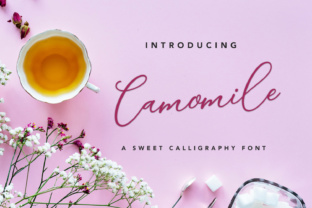
At its core, Camomile Script is a calligraphy font that balances flowing elegance with modern clarity. Its letterforms are inspired by traditional hand-lettering, featuring smooth, connected strokes and a natural rhythm. Unlike some overly ornate scripts, it maintains a clean and sophisticated look. The font has a graceful personality—it feels both timeless and contemporary. This makes it a versatile creative font that doesn’t lean too heavily into vintage or overly casual territory. The extensive glyph set means you have access to a wide range of alternate characters, ligatures, and swashes, allowing for customized and unique typographic compositions.
Where Camomile Script Truly Shines
The strength of a script font like Camomile lies in its application. It’s not a workhorse for body text, but it excels as a display font for headlines, logos, and accent typography. Its elegance makes it a natural fit for projects where brand perception and emotional connection are key.
For logo design and brand identity, Camomile Script can instantly communicate luxury, craftsmanship, or boutique appeal. Imagine it on a logo for a high-end bakery, a boutique wedding planner, or a artisanal skincare brand. The font’s personality helps build an immediate visual narrative. In packaging design, it can add a premium, handcrafted feel to labels for gourmet foods, cosmetics, or specialty goods.
Within editorial design and publishing, this typeface is perfect for chapter titles, pull quotes, or magazine cover lines. It adds visual interest and breaks up the monotony of standard serif font or sans serif font blocks. For web design, it can be used sparingly for hero section headings or key call-to-action text to draw the eye, though careful pairing with a highly readable body font is essential.
The applications extend into social media graphics and digital marketing. A quote graphic, a promotional banner, or a story highlight cover using Camomile Script can stop the scroll with its aesthetic appeal. For crafters and hobbyists, it’s a fantastic design asset for creating custom invitations, greeting cards, or personal stationery. The key is to use it where its beauty can be appreciated without compromising overall readability.
Making Smart Design Choices with a Script Font
Introducing a font like Camomile Script into your toolkit requires thoughtful execution. Its influence on a project is significant, touching everything from readability to professional perception.
First, consider visual hierarchy. Use Camomile Script for primary headlines or focal points. Pair it with a clean, neutral sans serif font for body text to ensure clarity. This contrast creates a dynamic and organized layout. Avoid using it for long paragraphs or small-sized text, as intricate scripts can become difficult to read, especially on digital screens.
Next, think about brand consistency. If you adopt Camomile Script as part of a brand’s identity, use it consistently across all touchpoints—website headers, business cards, social media, and packaging. This builds recognition and reinforces the brand’s personality. However, be mindful of commercial licensing. Ensure the license covers all your intended uses, whether for a client project, merchandise, or digital products.
Testing is non-negotiable. Before finalizing, always view the font in context. Check how it looks at different sizes, on various backgrounds, and in both digital and print mockups. Explore the full range of its 350+ glyphs. The alternate characters and swashes can help you tailor the font to perfectly fit your design, avoiding the "cookie-cutter" look that can come with using default characters.
Integrating Camomile into Your Workflow
When evaluating if Camomile Script is the right fit, ask yourself a few practical questions. Does its personality align with the project’s tone? Is the audience likely to appreciate its elegant style? For a tech startup, it might feel out of place, but for a luxury product launch, it could be perfect.
Experiment with font pairing. Try it alongside a geometric sans serif font for a modern contrast, or with a classic serif font for a more traditional, luxurious feel. The goal is to find a balance where each typeface complements the other without competing.
Remember, a premium font like this is an investment in your design assets. It provides a level of quality and uniqueness that free fonts often lack, which can elevate the professionalism of your work. Whether you’re a small business owner crafting your brand’s look, a marketer creating compelling campaign materials, or a designer building a versatile library, understanding how to leverage a tool like Camomile Script is a valuable skill in modern typography.
Ultimately, the best projects are those where every element works in harmony. Camomile Script offers a distinctive voice that, when used with intention and skill, can help you tell a more beautiful and engaging visual story. Its grace and sophistication are not just decorative—they’re communicative, helping to shape how your audience perceives and connects with your work.