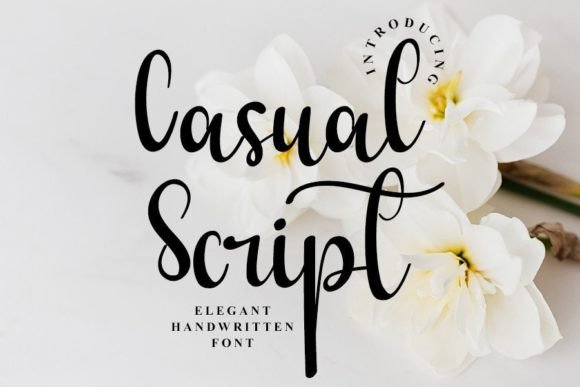
Casual Script: A Handwritten Font for Every Creative Project
When you first encounter Casual Script, there’s an immediate sense of warmth. It’s a friendly handwritten font that feels both personal and polished. Carefully designed to become a true favorite, it balances calligraphic roots with a fresh, contemporary edge. This isn’t a font that tries too hard; it simply feels right. It’s the kind of typeface that makes a greeting card feel more heartfelt, a menu more inviting, and a brand more approachable.
Where Casual Script Truly Shines
The versatility of this premium font is one of its greatest strengths. It’s not just for wedding invitations or craft projects. Think about a boutique coffee shop’s logo or the header of a lifestyle blog. Casual Script brings a human touch to digital spaces that can often feel sterile. In packaging design, it can elevate a product from generic to artisanal. For social media graphics, it grabs attention with its organic flow, making quotes and announcements feel more authentic.
- Brand Identity: Use it for logos, taglines, or brand messaging to convey friendliness and creativity.
- Editorial Design: Perfect for pull quotes, chapter titles, or article headers in magazines and blogs.
- Web Design: Ideal for hero text, call-to-action buttons, or featured section headings to add personality.
- Packaging & Labels: Adds an artisanal, crafted feel to product packaging, especially for food, beauty, or handmade goods.
- Marketing Materials: Makes flyers, posters, and email headers more engaging and memorable.
As a script font, it’s important to consider context. While it’s excellent for display purposes and short bursts of text, it’s not designed for long paragraphs. Its strength lies in headlines, logos, and accent text where its character can be fully appreciated without sacrificing readability.
The Influence on Your Audience
Choosing a font is a strategic decision. Casual Script influences how people perceive your message. Its handwritten style suggests authenticity and a personal connection. For a small business owner, this can translate to trust. For a content creator, it builds a sense of community. The font’s consistent style across your materials—whether on your website, your business cards, or your Instagram stories—helps build brand recognition.
Visual hierarchy is another key benefit. Pairing Casual Script with a clean sans serif font or a classic serif font creates a dynamic contrast. The script draws the eye to the most important message, while the supporting typeface ensures the body text remains easy to read. This pairing is a fundamental technique in modern typography, and Casual Script makes it effortless.
Making the Right Choice for Your Project
Before integrating any new design asset, take a moment to evaluate fit. Ask yourself: Does this font’s personality align with my brand’s voice? Is the project calling for a creative font with a human touch, or does it need something more neutral? Test it by placing your actual headline text into a mockup. See how it feels next to your imagery and color palette.
Look at the font’s included styles. A well-designed typeface like Casual Script often comes with multiple weights or stylistic alternates. These variations give you flexibility. You might use a bolder weight for a main logo and a lighter one for subheadings. Always test for readability at the size you intend to use it, especially on screens.
Finally, consider the licensing. If you’re using it for a commercial project—like a client’s logo, merchandise, or a paid app—you need to ensure you have the proper commercial font license. This protects you legally and respects the work of the font designer. Treat it as you would any other professional tool in your toolkit.
In the end, Casual Script is more than just a handwritten font. It’s a bridge between the elegance of calligraphy and the energy of modern design. It’s a tool that helps you tell your story with warmth and clarity, making your work not just seen, but felt.