Valeyola Script: Where Modern Romance Meets Creative Versatility
There’s a particular quality in a typeface that can make a design feel both timeless and utterly contemporary. Valeyola Script achieves this balance with a quiet confidence. It’s a stunning and enchanting script font that carries an inherent romanticism, yet its clean lines and thoughtful construction keep it firmly planted in modern typography. For designers, brand builders, and creators, this isn't just another decorative typeface; it's a versatile tool for injecting personality and emotion into a wide array of projects.
Understanding the Visual Character of Valeyola
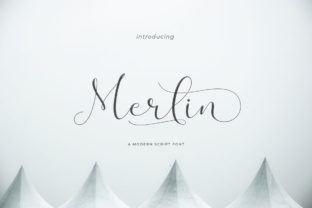
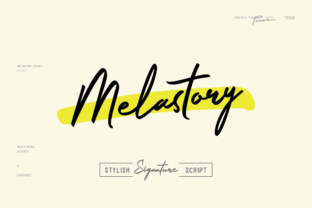
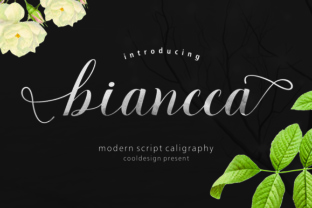
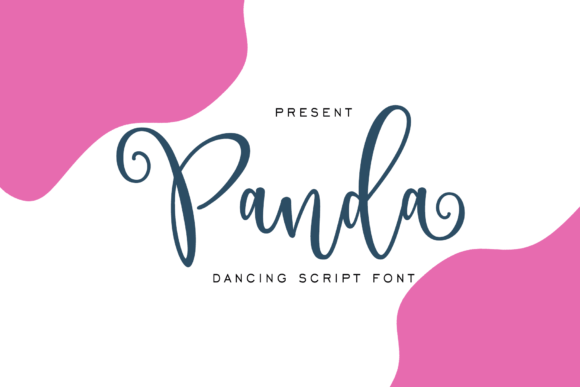
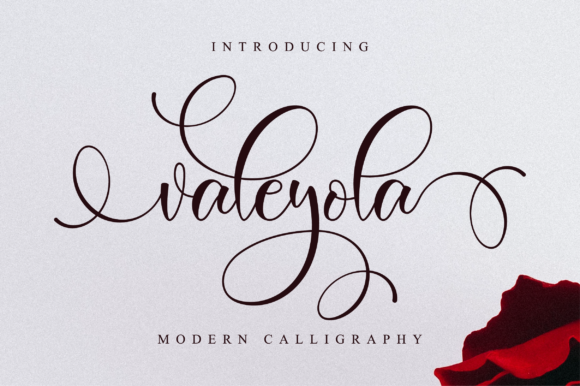
At its heart, Valeyola is a premium font designed for impact. Its flowing, connected letterforms mimic the natural rhythm of elegant handwriting, but without the unpredictability that can sometimes hinder legibility. The strokes have a beautiful contrast—thin where the pen lifts, and a confident thickness where pressure is applied. This gives the typeface a dynamic, living quality. The default character set is gorgeous on its own, forming the foundation of its appeal. However, the true magic unfolds when you explore its full potential.
This is where Valeyola transitions from a beautiful script font into a powerhouse of creative expression. The font is PUA encoded, which is a critical feature for practical use. It means every alternate glyph, swash, and ligature is easily accessible in any design software, even without advanced OpenType panel knowledge. The wealth of special features includes stylistic alternates for key letters and stunning swashes that can be added to the beginning or end of words. These aren't just tacked-on extras; they are integral to the font's personality, allowing you to customize the level of flourish to perfectly suit the project's tone. You can create a version that feels more restrained and professional for a logo, or dial up the romance for a wedding invitation.
Strategic Applications: From Brand Identity to Social Media
The versatility of Valeyola is its greatest strength. It’s not a one-trick pony reserved for love letters. When used thoughtfully, it becomes a strategic design asset across numerous mediums. Consider its role in brand identity. For a boutique, a floral studio, a jewelry designer, or a high-end café, Valeyola can form the core of a logo design that feels personal, luxurious, and memorable. Paired with a clean sans serif font for body text, it establishes a clear and elegant visual hierarchy.
In editorial design and packaging design, it shines as a display font. Use it for chapter titles in a cookbook, the headline on a wedding program, or the product name on artisanal packaging. Its romantic feel is an obvious fit for greeting cards, invitations, and love-themed posters, but don't overlook its modern edge. It can add a surprising touch of elegance to social media graphics, making quotes, announcements, and promotional banners stand out in a crowded feed. For web design, it can be a powerful tool for hero section headlines or call-to-action buttons where you want to evoke an immediate emotional response.
Making It Work: Practical Guidance for Designers and Creators
Choosing the right font is about more than just aesthetics; it's about fit and function. Before integrating Valeyola into your project, ask a few key questions. What is the core message? Who is the audience? A romantic script is perfect for a wedding photographer's portfolio but might be less suitable for a fintech startup's annual report. Evaluate the project's need for formality versus personality.
Testing is non-negotiable. Download the font files and experiment. Type out the specific words you'll be using—your brand name, key headlines, important phrases. See how the letters connect. Explore the alternate characters and swashes. Does a particular ligature solve a spacing issue between two letters? Does adding a swash to the capital "T" in your headline create the perfect flourish? This hands-on exploration is where you discover how the creative font truly behaves.
Font pairing is where professionalism is often won or lost. Valeyola, as a detailed script font, demands a counterpart that provides balance and readability. The classic approach is to pair it with a simple, geometric sans serif font for body copy. This contrast ensures the script remains the star without overwhelming the reader. For a more traditional or formal feel, a sturdy, low-contrast serif font can also work beautifully, creating a layered typographic system that feels both classic and intentional.
Always review the full character map and licensing. Understanding that you have access to all glyphs ensures you're using the font to its full potential. Furthermore, if your project is commercial—whether it's a client's logo, merchandise for sale, or a paid publication—confirming the commercial font license is essential. This due diligence protects you and your client, ensuring your beautiful design is also legally sound.
In the end, Valeyola Script is more than just a collection of beautiful letters. It's a conduit for emotion, a tool for storytelling, and a bridge between the handmade and the digital. By understanding its character, respecting its strengths, and applying it with strategic intent, you can harness its enchanting power to create work that resonates deeply and leaves a lasting impression.